Signs Your Chatsworth Attic Needs a Cleanout
Signs Your Chatsworth Attic Needs a Cleanout
Attics in Chatsworth work hard. Heat builds under the roof most of the year. Roof rats are active across the San Fernando Valley. Older ranch homes still carry original vent screens and aging insulation. When an attic gets dirty or contaminated, indoor air quality drops and energy bills climb. A cleanout restores a healthy, efficient home and sets the stage for better insulation and HVAC performance.
This article focuses on attic cleaning and decontamination for homes in and around 91311. It draws on field experience from daily work across the Valley. It covers the real signals that point to a needed cleanout, attic insulation company Chatsworth what a professional decontamination includes, and how rodent proofing and replacement insulation fit into the same project. It also explains why conditions in Chatsworth, Northridge, and neighboring communities make timely attic cleaning important.
Why Chatsworth Attics Get Dirty So Fast
Local climate and housing age drive most attic problems. Summer attic temperatures in the northwestern Valley often sit between 130 and 150 degrees. South-facing and west-facing roofs pick up the most solar load. Heat bakes old paper-faced batts and pushes air through unsealed ceiling penetrations. That air carries dust, pollen, and insulation fibers. Over decades, that dust layer gets thick and sticky.
Rodents add a second layer of trouble. Roof rats use tree canopies and utility lines to reach the eaves. Original soffit and gable vent screens from the 1960s and 1970s have larger openings than modern rodent-grade mesh. Many are torn or rusted. Once inside, rats and mice follow duct runs, chew vapor barriers, and nest in insulation. They leave droppings and urine crystals that contaminate the attic. Urine odor wicks through recessed can lights and drywall seams and shows up in hallways and bedrooms.
Construction details play a role too. The mid-century ranch homes common in Granada Hills, Reseda, and Northridge often have open chases, unsealed top plates, and older knob-and-tube patches or can light cutouts that were never air sealed. These gaps allow attic dust to move into living areas and shorten filter life in HVAC systems. In some homes, bath fans discharge into the attic instead of outdoors. That moisture drives mold growth on roof sheathing and insulation paper.
Clear Signals Your Chatsworth Attic Needs a Cleanout
Many calls begin with one unmistakable signal. Sometimes it is a smell. Other times it is a noise at night or a specific hot room on the second floor. The following red flags tend to point to a heavy dust load, rodent contamination, or both. They show up across 91311 and in nearby 91324, 91325, 91316, 91423, and 91604 zip codes.
- Scratching sounds in the ceiling at dusk or before sunrise, often near soffits or around the attic access.
- Strong ammonia-like odor in hallways or closets, with no plumbing leak found.
- Fine gray dust that returns on furniture within days after cleaning, even with regular HVAC filter changes.
- AC runs long but the upstairs stays warm, and energy bills rise each summer.
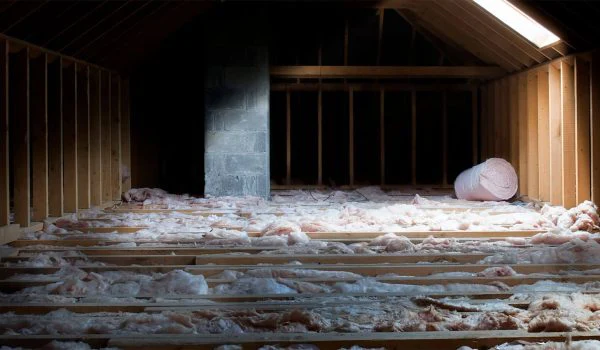
- Insulation looks matted, tunneled, or stained when you peek through the attic hatch.
Other signals are visible during a roof or exterior walk. Gable vent screens with holes bigger than a pencil eraser, chewing on fascia edges, or droppings on top of the access hatch framing all point to active entry points. In neighborhoods with mature trees, such as near Stoney Point Park or along Devonshire Street, the risk of roof rat travel is higher because branches overhang eaves.
Why This Matters for Health and Comfort
Contaminated attics are not only unpleasant. They create measurable health risks. Rodent droppings and urine carry bacteria and can aerosolize into fine particles that ride air currents through ceiling gaps and duct leaks. Deer mouse droppings can carry hantavirus. Roof rat droppings present different pathogens. Any rodent nest can host fleas and ticks that irritate pets and people. Dust and fiberglass fibers are respiratory irritants. They worsen allergy and asthma symptoms, especially in children and older adults.
Moisture issues magnify the hazard. Bath fans that do not vent outdoors push humid air into insulation. That moisture can support mold on sheathing and on the kraft paper face of old batts. Even small amounts of mold near a chronic fan discharge can release spores. If your family coughs more in the mornings or if seasonal allergies persist year-round, the attic often plays a role.
Comfort ties in as well. Dirty insulation is often compressed or tunneled by rodents. Compressed material has a lower R-value, which is the resistance to heat flow. A section that started as R-30 can behave like R-10 after heavy compression. Heat pushes into bedrooms faster. The AC cycles more often. In the Valley, that strain shows up on the electric bill during every July heatwave along the CA 118 corridor and the US 101 corridor.
What a Professional Attic Cleanout in the Valley Includes
A proper cleanout treats the attic like a biohazard zone and an air barrier at the same time. The sequence protects workers, contains contamination, and leaves a clean substrate for new insulation. It also solves the odor problem. An effective sequence in Los Angeles housing stock includes the following core steps:
- HEPA vacuum extraction of loose dust, droppings, and debris across the attic floor and along framing.
- Bagging and removal of contaminated insulation for disposal at an approved facility.
- Surface sanitization of sheathing and framing using an EPA-registered sanitizing solution.
- Enzymatic deodorization to break down urine crystals and neutralize odor at the source.
- Antimicrobial treatment in localized areas where moisture or mild mold growth is present.
Technicians wear OSHA-compliant protective equipment and use negative air containment as needed to prevent cross-contamination to living spaces. A HEPA vacuum, which is a high-efficiency particulate air filter system, captures particles down to 0.3 microns. That means the droplet nuclei that carry odor and bacteria do not re-circulate inside the home during removal. Bagged material follows a biohazard-informed chain of handling with documentation upon request. In pre-1980 homes, any suspect vermiculite or asbestos-containing insulation requires testing before disturbance. If asbestos is confirmed, a licensed abatement pathway applies.
Rodent Proofing That Holds Up in Chatsworth
Cleaning without exclusion is a short-term fix. After decontamination, rodent entry points must be sealed. Entry point inspection targets soffit vents, gable vents, eave gaps, plumbing and electrical penetrations, roof-to-wall intersections, garage-to-attic gaps, and the attic access lid itself. In the Valley’s older tracts, expect multiple small gaps rather than one large hole.
Durable exclusion materials prevent chewing and rust. Crews use 1/4-inch galvanized steel mesh, also known as hardware cloth, to re-screen vents. Copper mesh and mortar seal small penetrations at pipes and conduits. A rodent-grade foam sealant fills irregular gaps and bonds to wood and stucco. Fascia gaps at rafter tails get closed with wood repair and metal flashing as needed. Dryer vent flaps are checked and replaced if they stick open. The access hatch gets weatherstripped and latched tight so it no longer leaks air or invites entry.
Rodent proofing integrates with decontamination. Sanitization reaches into soffit bays before new screens go on. Insulation installation waits until exclusion is complete and confirmed. Many homes benefit from a follow-up inspection after two to four weeks to confirm that no fresh droppings or rub marks have appeared.
Insulation Removal and Replacement After Cleaning
After a clean substrate is ready, new insulation restores energy performance. For attic insulation Chatsworth projects, most homes fall in California Title 24 Climate Zone 9. The retrofit minimum is R-30 for attic floors, with R-38 as a standard target for full upgrades. High-performance targets may reach R-49 in larger or more exposed homes. These values align comfort and energy savings with what the Valley climate demands.
Material options include blown-in cellulose, blown-in fiberglass, new fiberglass batts, and spray foam. The choice depends on framing layout, duct routing, and whether the attic remains ventilated or becomes a semi-conditioned space.
Blown-in cellulose offers an R-value of roughly R-3.2 to R-3.8 per inch and fills irregular bays well. It also helps suppress air movement at the surface due to its dense fiber. Blown-in fiberglass runs about R-2.2 to R-2.7 per inch. It is lighter and often used where wiring or recessed fixtures need wider clearance buffers. New batts fit simple joist layouts but require precise cutting around chases to avoid air gaps. Open-cell spray foam, about R-3.5 to R-3.8 per inch, can air seal difficult knee walls and complex rooflines. Closed-cell spray foam reaches about R-6.0 to R-7.0 per inch and adds structural rigidity along with air and vapor control. Spray foam insulation Chatsworth projects are often reserved for problem attics with many penetrations or where ducts must remain in the attic and a sealed assembly makes sense.
Air sealing comes first. Crews seal top plates, can light boxes rated for insulation contact, flue chases with proper clearances, and any drywall-to-framing gaps using caulk and spray foam. Bath fans are rerouted to proper roof or wall caps to prevent future moisture issues. New baffles protect soffit ventilation so loose-fill does not block airflow at the eaves. This sequence keeps the new insulation clean and dry for the long term.
Cost varies by material and thickness. In the San Fernando Valley, installed attic insulation often ranges from $1.50 to $4.00 per square foot depending on access, desired R-value, and whether air sealing and duct work are included. Insulation removal Chatsworth CA projects add labor and disposal costs when contamination is present. Title 24 documentation and rebate support can offset part of the total project cost when an energy upgrade accompanies the cleanout.
HVAC and Duct Systems Depend on a Clean Attic
Dirty attics and leaky ducts go together in older LA housing. Many ducts run across unconditioned space above the ceiling. If seams leak, the system pulls attic dust into supply air. If insulation on the ducts is thin or damaged, the air gains heat before it reaches rooms. This creates long run times, hot rooms, and frequent filter changes. The system appears undersized even if the equipment is healthy.
During an attic cleanout, crews assess duct integrity, look for disconnected runs, and check for crushed sections under old storage boards. Duct insulation should be at least R-8 in unconditioned attics. Where leaks are found, mastic sealing and approved foil tape repair restore pressure. Severely damaged ductwork may need replacement. Air duct cleaning with HEPA vacuum extraction and brush agitation is often scheduled after decontamination but before replacement insulation goes in. This keeps the system from distributing any residual dust.
Indoor air quality improves when the attic is clean and ducts are sealed. Allergy symptoms often subside. The HVAC system cycles less, which can lower energy use by noticeable margins during hot weeks on the I-405 to US 101 commute belt.
A Shareable Local Insight From Field Data
In Pure Eco’s field inspections across San Fernando Valley homes built between 1950 and 1985, more than half of attics that still have original vent screens and no recent exclusion work show active or recent rodent activity. That rate climbs in streets with overhanging trees and older citrus plantings. This pattern repeats in Chatsworth, Northridge near CSUN, and older pockets of Sherman Oaks east of the I-405. The combination of torn gable screens and small fascia gaps is the most common entry path. This local pattern is worth attention because re-screening vents with 1/4-inch galvanized steel mesh during a single cleanout visit blocks the recurring cycle of re-infestation that many homeowners experience.
Case Snapshots Across Nearby Neighborhoods
Chatsworth 91311 single-story ranch near De Soto Avenue. Homeowner reported an ammonia odor in the hallway and scratching at night. Inspection found droppings along the ridge line and stained, matted insulation around can lights. The cleanout sequence included HEPA vacuuming, full insulation removal, sanitization, enzymatic deodorization, and rodent proofing at soffits and a garage-into-attic gap. The project finished with new blown-in cellulose to R-38 after air sealing. Odor cleared within 48 hours.
Encino 91316 two-story with older ducts. Complaint was dust on bedroom furniture within days of cleaning. Two supply runs had separated at wyes. Post-cleanout duct sealing, R-8 duct insulation replacement, and fresh blown-in fiberglass fixed the dust problem. AC runtime dropped, and the primary bedroom now cools evenly.
Sherman Oaks 91423 mid-century with mature trees. Entry point was a torn gable screen facing a pine canopy. Cleanout and re-screen with galvanized steel mesh, plus copper mesh at penetrations, ended the nightly activity. Insulation replaced with batts for easier future access to a solar conduit path. Attic temperature remained high each afternoon, so a later radiant barrier install reduced attic peak by around 18 degrees, which eased AC strain.
Studio City 91604 hillside home. Moisture marks under a bath fan revealed discharge into the attic. Mold blotches appeared on kraft paper of old batts. After sanitization and fan re-ducting to a roof cap, open-cell spray foam on a knee wall solved a tough air leakage path. The remainder of the attic floor received blown-in cellulose to R-38.
Woodland Hills 91364 near Ventura Boulevard. Long AC cycles in late afternoons. Insulation was tunneled by rodents and flattened under storage boards. Removal and air sealing with attention to recessed lights, followed by new insulation, cut cooling costs and stabilized upstairs temperatures during heat waves.
How Local Conditions Shape Attic Ventilation Choices
Ventilation affects odor control and insulation performance. In a ventilated attic, soffit intake and ridge or gable exhaust move air across the roof deck. That airflow dilutes humidity and odors after a cleanout. It also supports shingle life by cooling the deck. Many San Fernando Valley attics have blocked soffit vents due to insulation drift or paint over-spray on screens. Clearing or re-baffling these intakes after removal prevents stale air pockets. Gable vents often need re-screening and sometimes partial closure if crosswinds create dust swirl across the attic floor. Ridge vents, where present, should be inspected for proper shingle integration and for bird nesting.
When spray foam creates a sealed roof deck, venting strategy changes. The attic becomes semi-conditioned and relies on proper foam thickness and uniform coverage for temperature control. This approach can work in complex rooflines or where ducts must stay in the attic. It requires experienced installers and a clear plan for combustion safety if gas appliances are present below.
Odor Removal That Actually Works
Urine odor in attics lingers because crystals bind to wood fibers. Simple fogging does not resolve it. Enzymatic cleaners break those bonds and neutralize the source. An antimicrobial treatment after sanitization helps in areas that were wet or where light mold was present. The sequence matters. Vacuum first with HEPA filtration. Remove contaminated insulation. Sanitize all accessible surfaces. Apply enzyme and allow dwell time. Follow with targeted antimicrobial where indicated. Ventilate the attic during and after application. When the source is removed and wood is treated, odor does not return.
Title 24, R-Values, and Documentation After a Cleanout
If the project includes new insulation, it should match California Title 24 Part 6 requirements. Most of the San Fernando Valley falls in Climate Zone 9. The prescriptive path points to R-30 minimum for retrofits and R-38 as a standard target. R-49 is a high-performance upgrade used in specific cases. Crews can provide permit-compliant installation and prepare documentation for LADWP and SoCalGas rebate programs. Federal tax credits under the Inflation Reduction Act Section 25C may apply for insulation and air sealing upgrades, with annual limits up to $1,200. HERS verification can be arranged when a project scope or jurisdiction requires it.
For hazardous material removal, documentation of proper disposal is available. This matters during real estate transactions in Glendale, Pasadena 91101 and 91104, and valley cities where buyers request proof that contaminated insulation was removed by a licensed contractor.
How to Judge Urgency Without Climbing Into the Attic
Noise at night, strong odors, and visible droppings near the access hatch move a cleanout to the front of the line. Allergy flare-ups that eased in winter but returned in spring also suggest attic dust movement. Persistent warm rooms even after HVAC service can mean insulation has failed due to compression or contamination. If neighbors have reported rodent issues or tree trimming happened recently, activity may increase as animals seek new shelter. In these cases, an attic inspection should happen soon. The goal is to prevent contamination spread to ducts and living areas and to protect family health.
What the Site Visit Looks Like in a Valley Home
An assessment in Chatsworth starts with a walk of attic insulation chatsworth the roofline and eaves, then an attic entry at the access hatch. Inspectors measure insulation depth and estimate current R-value. They look for droppings, nesting, urine staining, and dust layers. They photograph entry points and show homeowners what they see. They check bath fans, look for blocked soffit vents, and examine gable or ridge vent screens. Ducts get a quick integrity review. If any insulation looks like vermiculite or if the home predates 1980, they flag the need for asbestos testing before removal. The visit concludes with a scope that combines decontamination, rodent proofing, air sealing, and insulation replacement tailored to that specific attic layout.
Why Combining Services Saves Money and Time
Attic cleaning Chatsworth homeowners often need more than one service. Doing exclusion and insulation replacement during the same project shortens downtime and avoids re-work. Air sealing before new insulation increase performance. If ducts need repair, doing it before new insulation avoids burying access points. A unified project also supports clean documentation for Title 24 and any rebates. It reduces the number of trips through living areas and cuts the chance of cross-contamination.
Access in Greater LA and Project Scheduling
Chatsworth sits beside the CA 118 Ronald Reagan Freeway, which connects quickly to US 101 and I-405. This location makes same-week assessments across the Valley practical. Homes in Northridge near California State University Northridge, Granada Hills to the east, West Hills and Woodland Hills to the south, and Porter Ranch along the 118 ridge see similar dispatch times. Projects in Encino, Sherman Oaks, and Studio City near 91604 are scheduled with attention to peak-hour traffic along Ventura Boulevard and the Sepulveda Pass so crews arrive on time. Sunday field coverage supports households that cannot open the home during weekdays.
Radiant Barrier as a Future Add-On
After a cleanout and insulation upgrade, some Valley homes still feel the late-afternoon heat. A reflective foil radiant barrier under the roof deck can drop attic temperatures by about 15 to 25 degrees on peak summer days, especially on south and west exposures. This reduces AC load by roughly 10 to 25 percent in many LA homes. Radiant barriers are perforated so moisture does not trap against the deck. They install after rodent proofing and before any final insulation touch-ups. This add-on pairs well with new soffit and ridge ventilation and is common in Woodland Hills and Tarzana where roof exposure is intense.
Edge Cases Found in Older Valley Homes
Not every attic is straightforward. Some homes still have segments of knob-and-tube wiring in inaccessible bays. These areas need clearance from insulation or an electrician’s update before full coverage. Others have unvented cathedral ceilings that require dense-pack or spray foam solutions. In hillside neighborhoods with tight access, insulation removal bags must go down narrow side yards, which affects time and staging. A good scope of work accounts for these realities and sets a realistic schedule.
What Success Looks Like After a Cleanout
The home smells neutral. The attic is clean and bright, with even, code-appropriate insulation thickness. Soffit vents are open and protected by baffles. Gable and soffit screens are secured with galvanized steel mesh. Ducts are sealed and insulated to R-8 or better. Bath fans vent outdoors. Filters last longer. Bedrooms cool faster. The thermostat cycles less. Allergy symptoms often improve. The homeowner has photos from before, during, and after the project, along with documentation of removal and any rebate filings.
Why Local Experience Matters
Chatsworth’s housing stock skews mid-century. That shapes rodent behavior, airflow, and insulation choices. Homes near the Chatsworth Reservoir and along Topanga Canyon Boulevard face heavy tree cover, which increases roof rat travel paths. Tracts near De Soto Avenue and Roscoe Boulevard often have original gable screens and shallow eave boxes. Custom homes in Porter Ranch along the ridge see high winds that change how gable vents behave. A contractor that works in these exact streets understands which exclusion materials last and which insulation types hold up. That local experience saves return trips and call-backs.
Service Credentials and How to Schedule
Pure Eco Inc. Operates from 9740 Variel Ave, Chatsworth, CA 91311. The team is a California licensed and insured insulation contractor with HEPA-filtered decontamination protocol experience. The company provides certified insulation installation across blown-in cellulose, blown-in fiberglass, batt, open-cell spray foam, closed-cell spray foam, and radiant barrier. Title 24 California Energy Code expertise supports permit-compliant work and rebate documentation with LADWP and SoCalGas. Field hours run Monday through Friday, 7:00 AM to 7:00 PM, and Sunday, 8:00 AM to 6:00 PM. Homeowners can request a free home assessment with a detailed written estimate. For attic cleaning Chatsworth projects, rodent proofing and insulation removal Chatsworth CA services, or integrated attic-to-HVAC scopes across Encino, Sherman Oaks, Studio City, Northridge, Woodland Hills, Tarzana, and Granada Hills, call +1-818-857-4830 or visit the Pure Eco website to book.
Pure Eco Inc.
Chatsworth Facility
Chatsworth, CA 91311